In This Article
Fall is one of the most important seasons for tree care in the Treasure Valley — and mulching is one of the highest-impact things you can do before winter arrives. Whether you’re caring for young trees, established shade trees, or garden beds, applying mulch in October or November gives roots the protection they need to survive Idaho’s cold season and thrive come spring.
Why Fall Is the Best Time to Mulch
Timing matters with mulch. Applying it in fall — after the first hard frost but before the ground freezes — lets you capture the benefits of insulation without creating a warm hiding spot for overwintering pests. The goal is to moderate soil temperature, not hold heat.
In the Treasure Valley, soil temperatures can swing dramatically between October and December. Mulch slows these transitions, giving roots a more stable environment during the period when trees are entering dormancy.
Top Benefits of Fall Mulching
Moisture Retention
Even after leaves drop and trees go dormant, their root systems continue to absorb water on warmer days. Fall and early winter in Boise can be drier than people expect, and drought stress going into spring is a real risk for trees on sandy or well-draining soils.
A 2–4 inch layer of mulch reduces evaporation from the soil surface by up to 50%, keeping moisture available to roots throughout the winter. This is especially important for trees planted within the last three years, which haven’t developed deep root systems yet.
Root Temperature Regulation
Tree roots are significantly more cold-sensitive than the above-ground portions of a tree. Most roots are damaged when soil temperatures drop below 15°F — a threshold that Treasure Valley winters can approach during extended cold snaps.
Mulch acts as an insulating blanket. A proper 3-inch layer can keep soil temperatures 5–10°F warmer than bare soil during the coldest nights, protecting fine feeder roots from frost damage.
Weed Suppression
Fall mulching gives you a head start on spring weed pressure. Many weed seeds that fall in autumn need light and warmth to germinate — a layer of mulch blocks both. You’ll go into the growing season with far less competition at the root zone, which directly benefits tree and shrub health.
Soil Health Over Winter
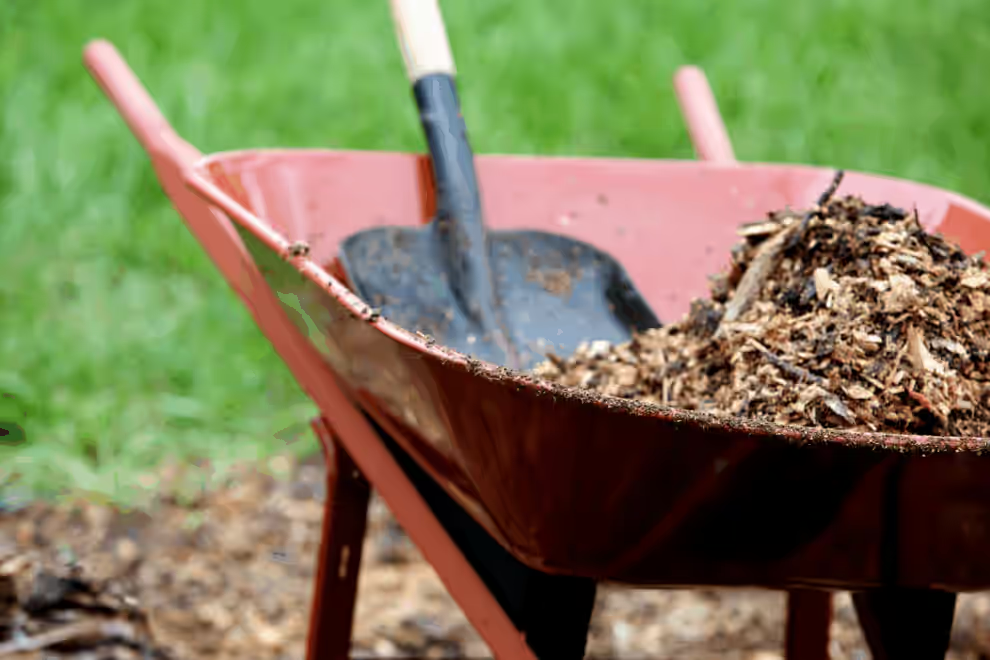
Organic mulches — wood chips, shredded bark, composted leaves — break down slowly over winter and spring. This decomposition feeds soil microorganisms and earthworms, improving soil structure and adding organic matter over time. Clay-heavy soils common in parts of Nampa and Caldwell benefit especially from the gradual organic matter input.
How to Apply Mulch Correctly
Mulching is simple to do wrong. The most common mistake is piling mulch against the trunk — the infamous “mulch volcano” that causes bark rot, fungal disease, and pest harborage. Here’s the right way:
- Keep mulch 3–6 inches away from the trunk. The root flare (where the trunk meets the soil) needs to breathe.
- Apply a 2–4 inch layer. More isn’t better — thick mulch can become hydrophobic and actually repel water.
- Extend the ring as wide as possible. Ideally, mulch should cover the entire root zone, which extends to the drip line of the tree. For large trees, even a 4–6 foot ring is far better than nothing.
- Use coarse, chunky material. Chipped wood mulch allows better water and air penetration than fine bark dust.
Common Mulching Mistakes to Avoid
- Mulch volcanoes — piled against the trunk, causing rot and disease
- Plastic sheeting under mulch — blocks water and oxygen from reaching roots
- Fresh wood chips from diseased trees — can spread fungal pathogens
- Too thin a layer — a ½ inch of mulch provides almost no benefit
- Applying over dry soil — mulch locks in whatever moisture is already there; water first if the soil is dry
If you’re unsure whether your tree’s root zone is set up correctly heading into winter, a quick arborist evaluation can catch problems before they become costly in spring.